
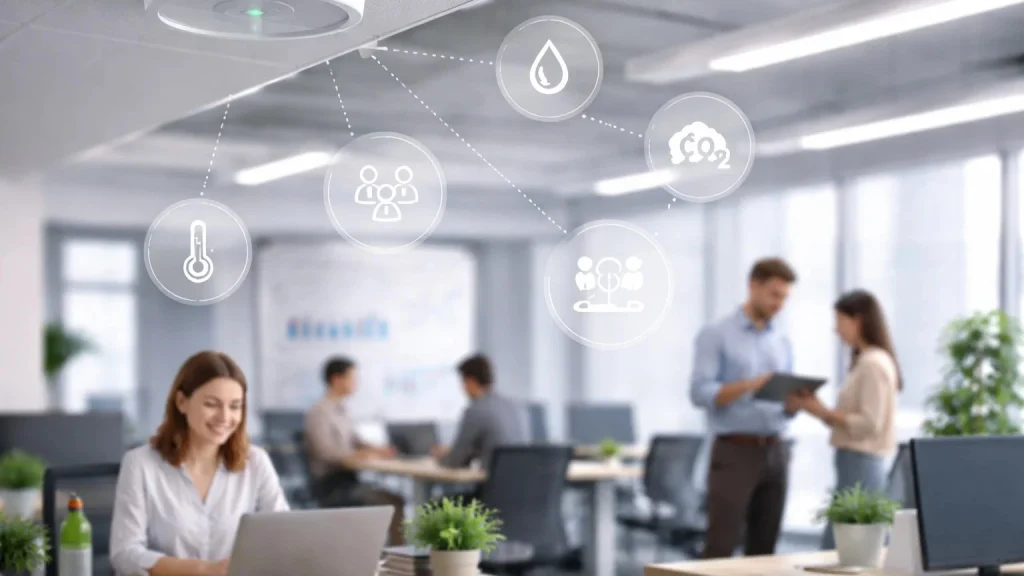
Smart building at your fingertips
Smart Monitoring
- Configurable and flexible tool for monitoring
- Connecting between physical devices and front-end applications
- Clear overview of monitored values
Description
Modern office buildings are becoming increasingly intelligent, efficient, and responsive to the needs of their occupants. A key part of this transformation is the use of sensors that continuously monitor indoor conditions and building usage. These technologies help create healthier, safer, and more energy-efficient workplaces.
Create a healthier, safer, and more efficient work environment with our Smart Monitoring solution. Gain real-time insights into key conditions such as temperature, humidity, CO₂ levels, occupancy, and presence, all from one intuitive platform.
By tracking environmental and usage data, you can optimize comfort, improve air quality, and ensure compliance with workplace standards. Make informed decisions, reduce energy costs, and enhance employee well-being with intelligent monitoring that keeps your spaces performing at their best.
Benefits
Comfort and well-being
Maintain optimal temperature and air quality for a pleasant workday.
Health and safety
Reduce exposure to poor ventilation and high CO₂ levels.
Peace of mind
Transparent monitoring ensures a safe and compliant workspace.
Better collaboration
Accurate occupancy data helps avoid overcrowding and supports efficient meeting planning.
Optimized space utilization
Use occupancy insights to manage meeting rooms, workplaces, parking slots, and other resources efficiently.
Energy savings
Adjust heating, cooling, and ventilation based on real-time data to reduce costs.
Compliance and reporting
Meet health and safety standards with automated monitoring and documentation.
Data-driven decisions
Leverage analytics to improve workspace design and operational efficiency.
Sensors in Modern Office Buildings
Indoor Air Quality (IAQ)
One of the most important applications is Indoor Air Quality (IAQ) monitoring. Sensors can measure levels of carbon dioxide (CO₂), temperature, humidity, and airborne pollutants. Maintaining good air quality is essential for employee health, comfort, and productivity. Poor ventilation or high CO₂ levels can lead to fatigue, reduced concentration, and discomfort. By using real-time IAQ sensors, building management systems can automatically optimize ventilation and maintain a healthy indoor environment.
Temperature
Humidity
Air quality - CO2
Room occupancy
Desk occupancy
People counting
People flow
Occupancy and People-Counting
Occupancy and people-counting sensors are also becoming standard in smart offices. These sensors provide accurate information about how many people are present in specific areas or rooms. They help employees quickly identify available rooms and prevent situations where rooms are reserved but unused. This leads to better resource management and a smoother workplace experience. This data helps organizations optimize space utilization, reduce energy consumption, and improve workplace planning. For example, lighting, heating, and cooling systems can automatically adjust based on actual occupancy instead of fixed schedules.
Parking
Monitoring a parking lot using a combination of sensors and automatic number plate recognition cameras is a modern approach to efficient space management. Through automation, the system significantly reduces the need for physical staff and manual ticketing, streamlining operations and lowering overhead costs. From a security perspective, it maintains a precise digital log of every vehicle entering and exiting the premises, providing invaluable data for incident tracking and access control.
Parking occupancy
Car plates recognition
Doors and windows
Additional Sensors
Additional sensors, such as window and door status detectors, contribute to both security and energy efficiency. Open windows can be detected automatically, allowing HVAC systems to react accordingly and avoid unnecessary energy losses. Door sensors can support access control, security monitoring, and emergency management.
Apps & Tools Featuring Smart Monitoring:
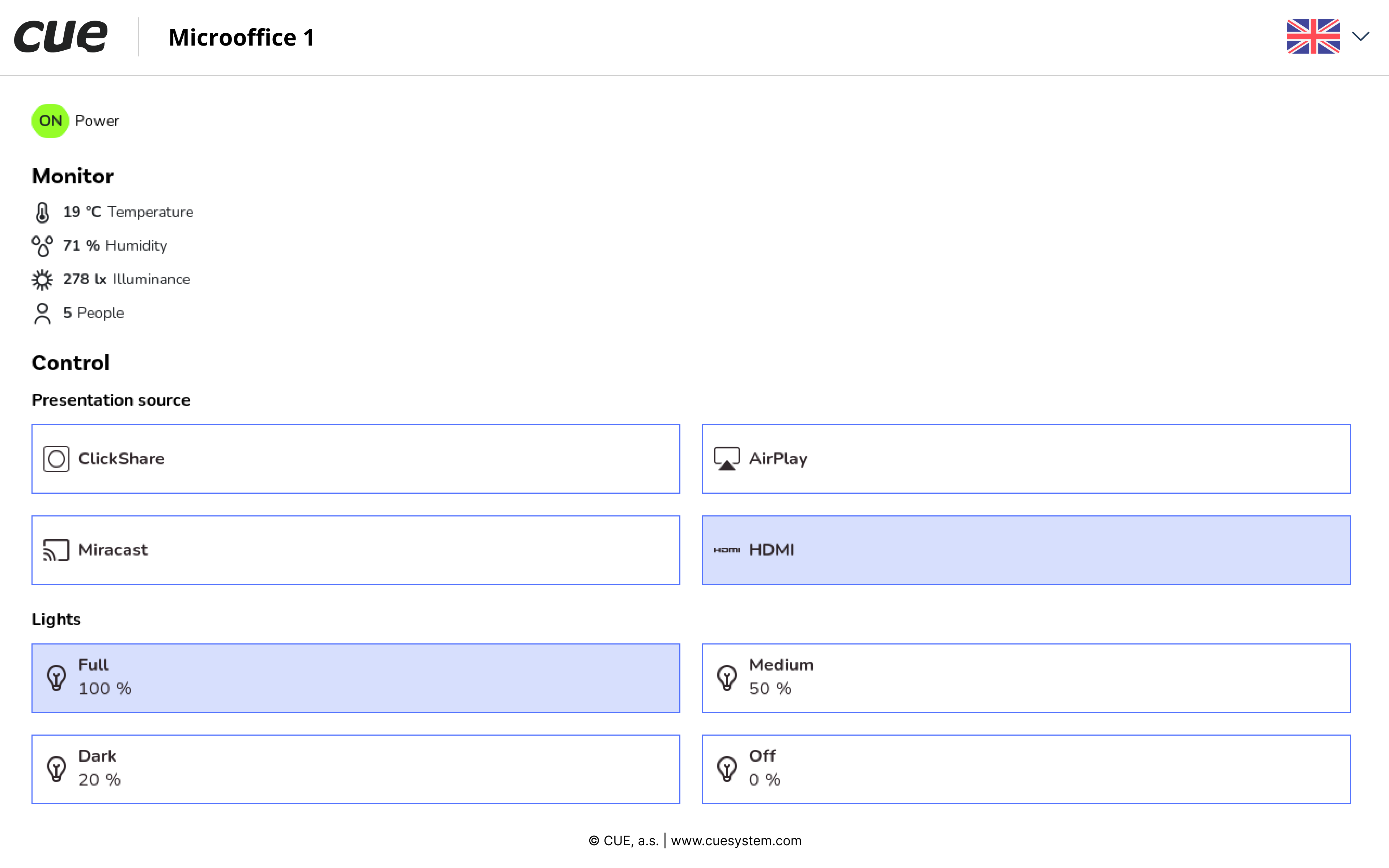
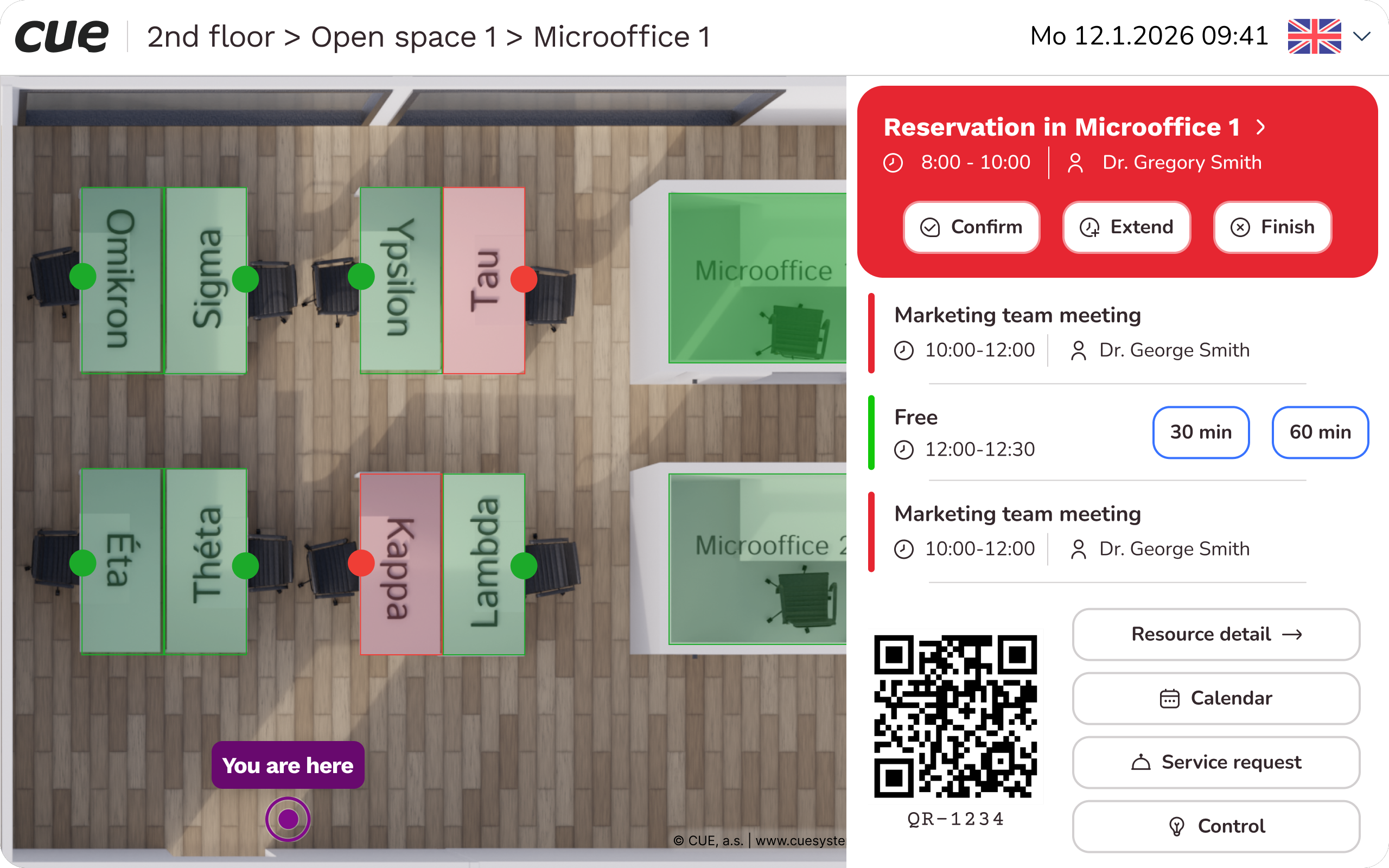
User-Oriented Apps
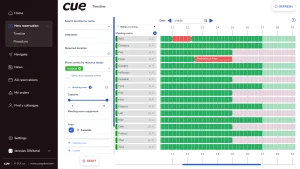
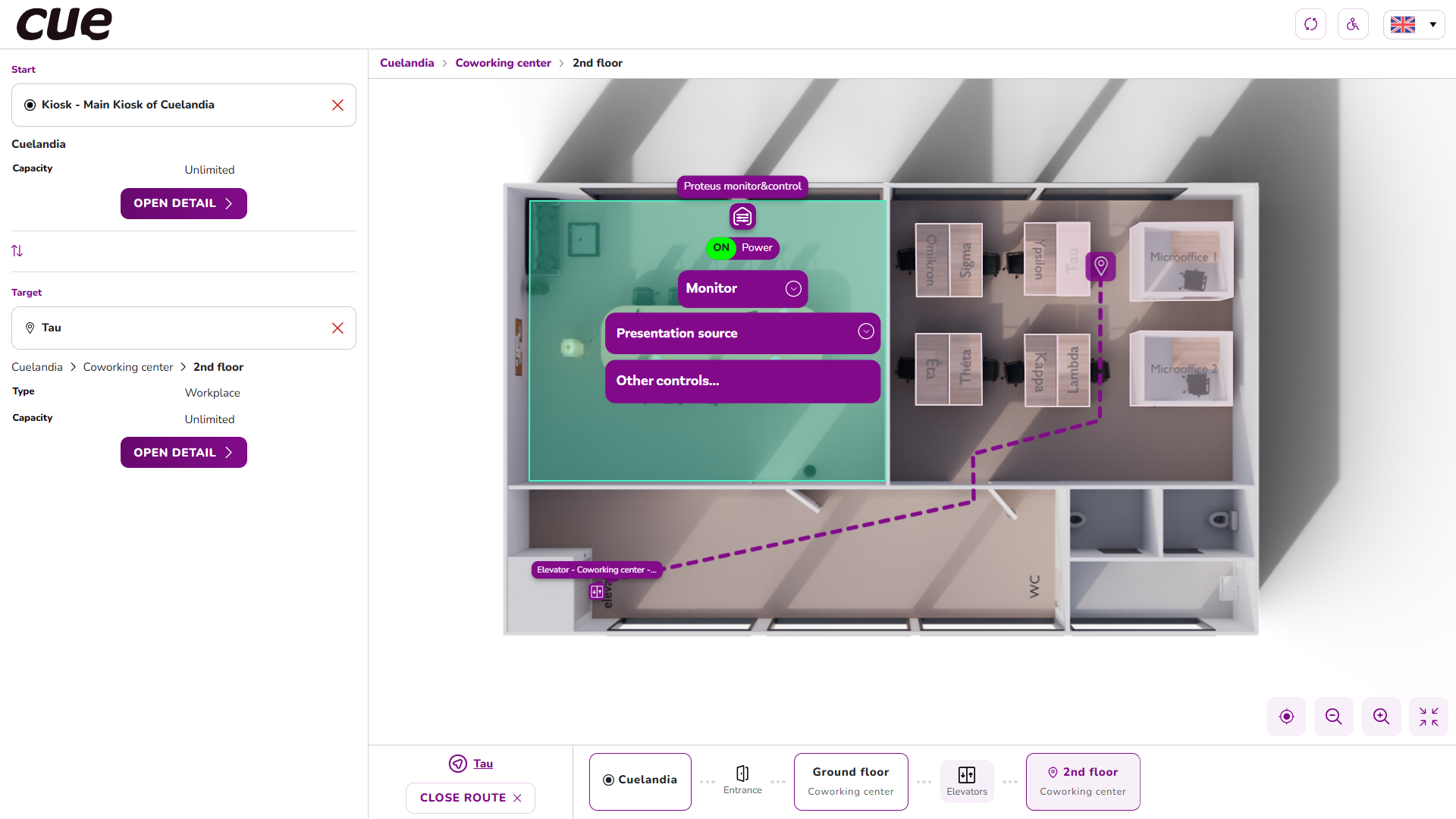
Device-Oriented Apps
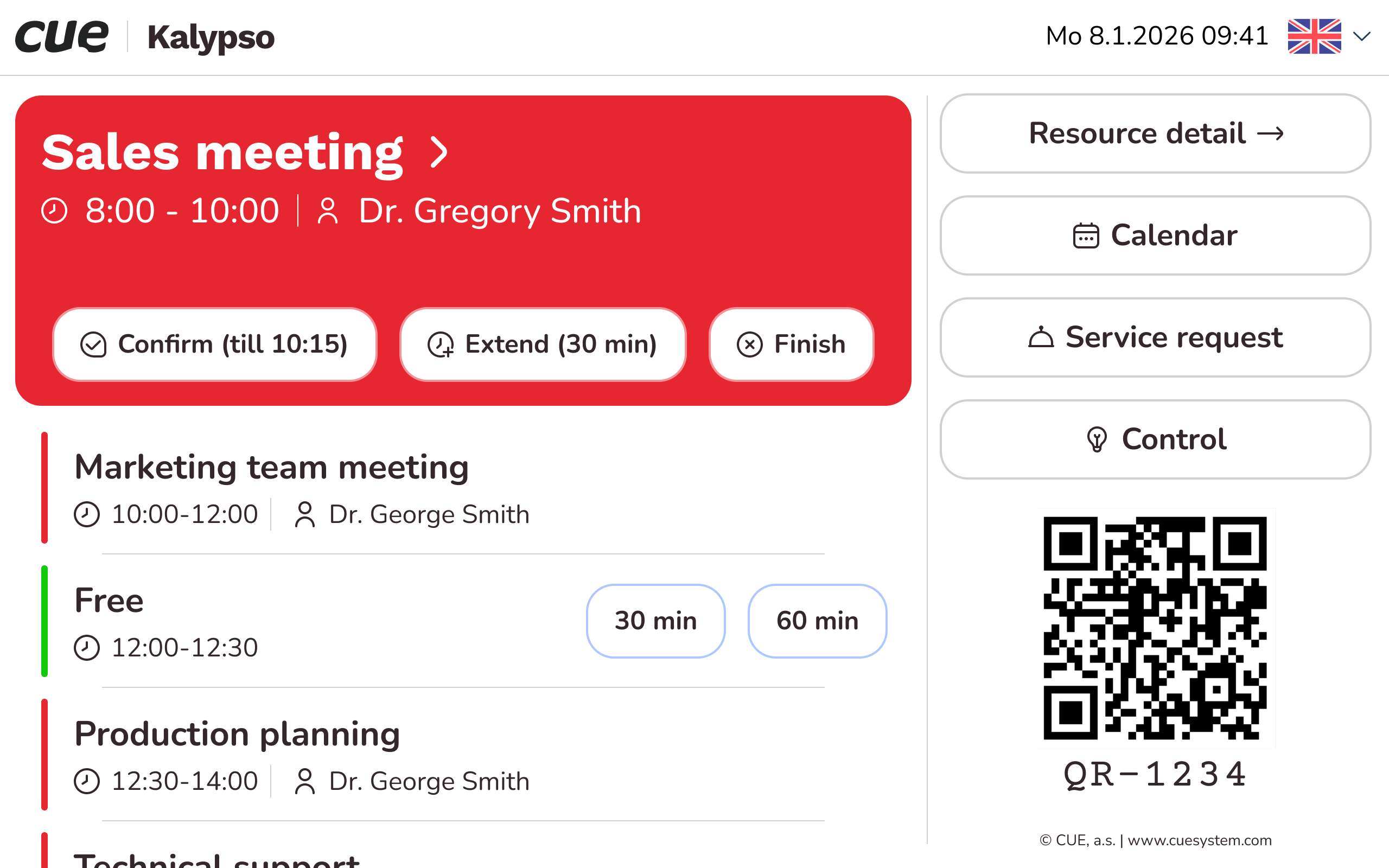
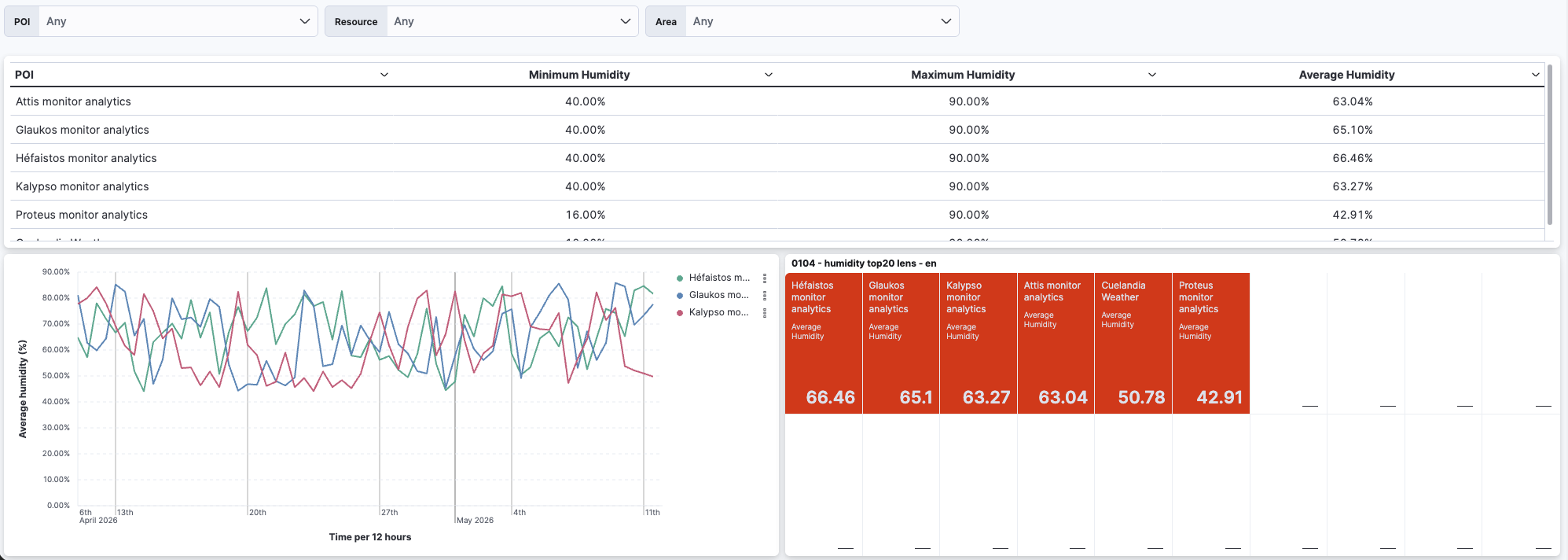
Analytic Dashboards
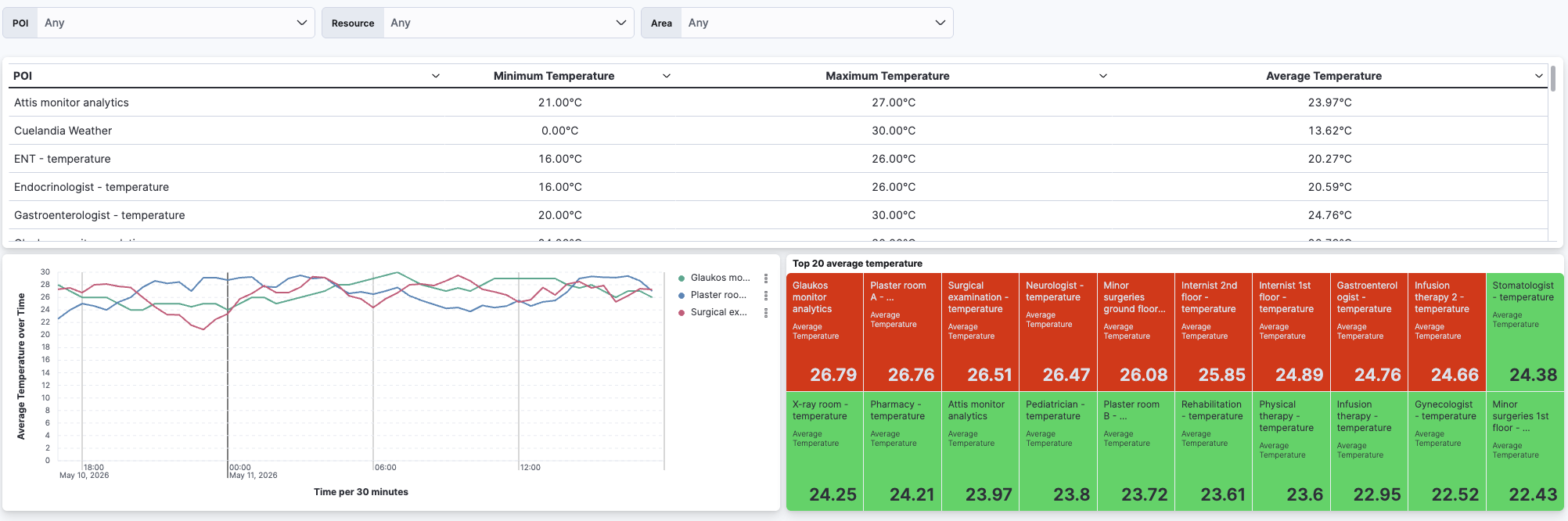
Temperature
People count
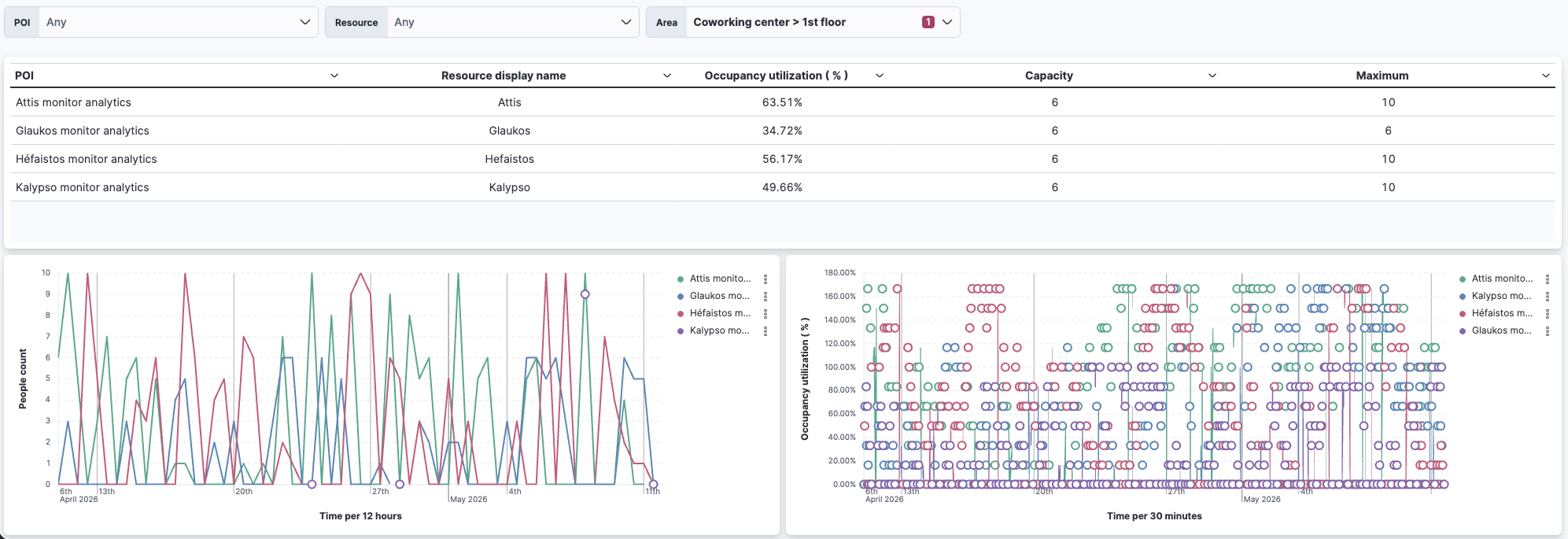
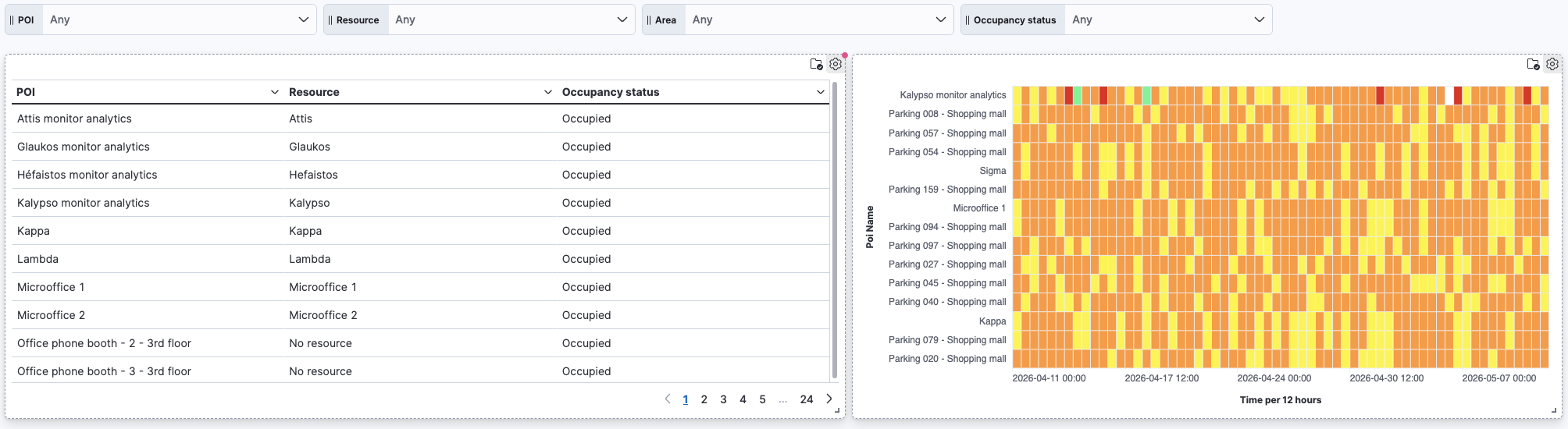
Occupancy
Humidity
Integrating Smart Sensors
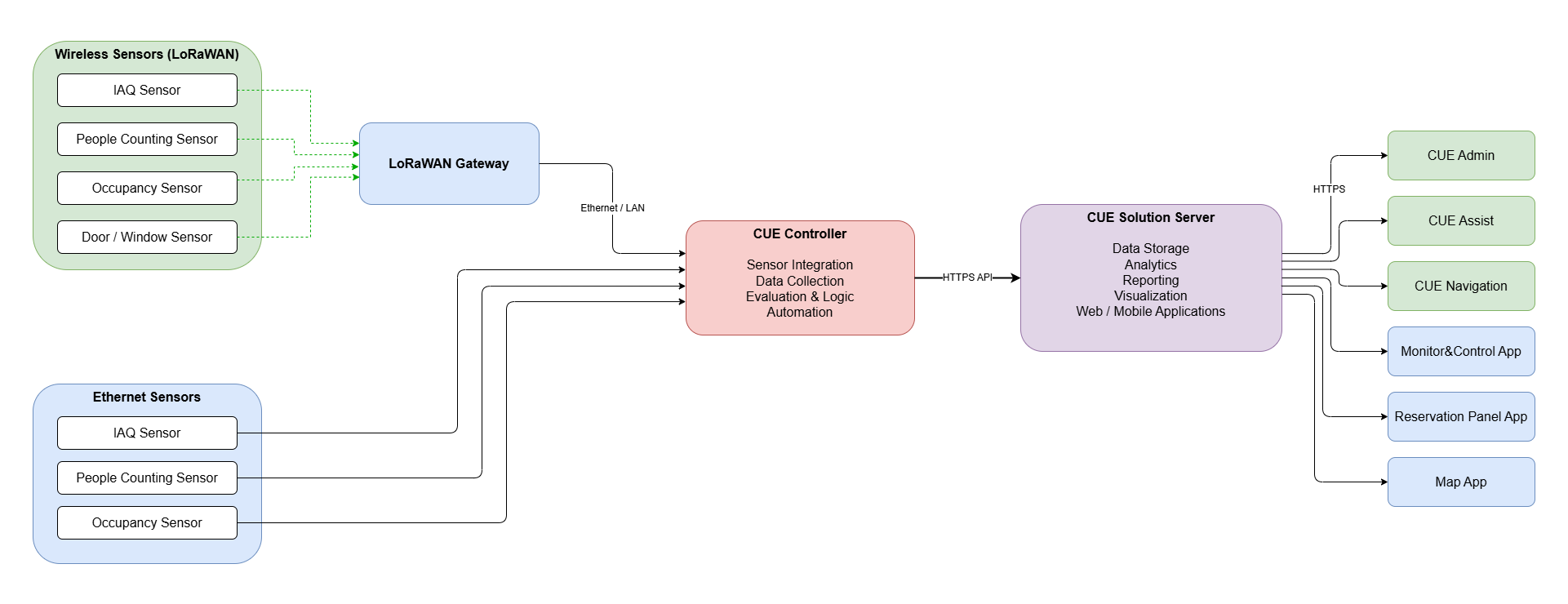
Today’s sensors are connected either through standard Ethernet (LAN) networks or wirelessly using IoT communication technologies such as LoRaWAN. These devices can monitor a wide range of parameters, including indoor air quality, occupancy, people counting, room utilization, temperature, humidity, window and door status, lighting conditions, and many others.
The CUE platform enables seamless integration of these sensors into one unified monitoring and control environment. Data from multiple technologies and communication standards can be collected centrally and presented in a clear and intuitive user interface. Building operators can monitor all important values in real time and access the system from smartphones, tablets, or PCs.
Using CUE Control System
Flexibility
One of the key advantages of the CUE system is its flexibility. It acts as a bridge between physical devices and front-end applications, allowing data from sensors to be evaluated and used for intelligent automation scenarios.
For example:
- ventilation can automatically react to increased CO₂ levels,
- lighting and HVAC systems can adapt to actual room occupancy,
- alerts can be generated when windows remain open,
- meeting rooms can be managed according to real occupancy data
- energy consumption can be optimized based on building usage patterns.
Scalability
One of the key advantages of the CUE system is its flexibility. It acts as a bridge between physical devices and front-end applications, allowing data from sensors to be evaluated and used for intelligent automation scenarios.
Modern sensors are capable of measuring multiple environmental parameters simultaneously, including CO₂, VOCs, particulate matter, temperature, humidity, noise levels, brightness, and human presence. The CUE system can aggregate this information, visualize trends, generate alerts, and support advanced automation logic that improves both user comfort and operational efficiency.
Need More Information?
Contact our application engineer at applications@cuesystem.com.